




Why Is My Automatic Watch Losing Time? (Common Causes & Fixes)
July 25th, 2026
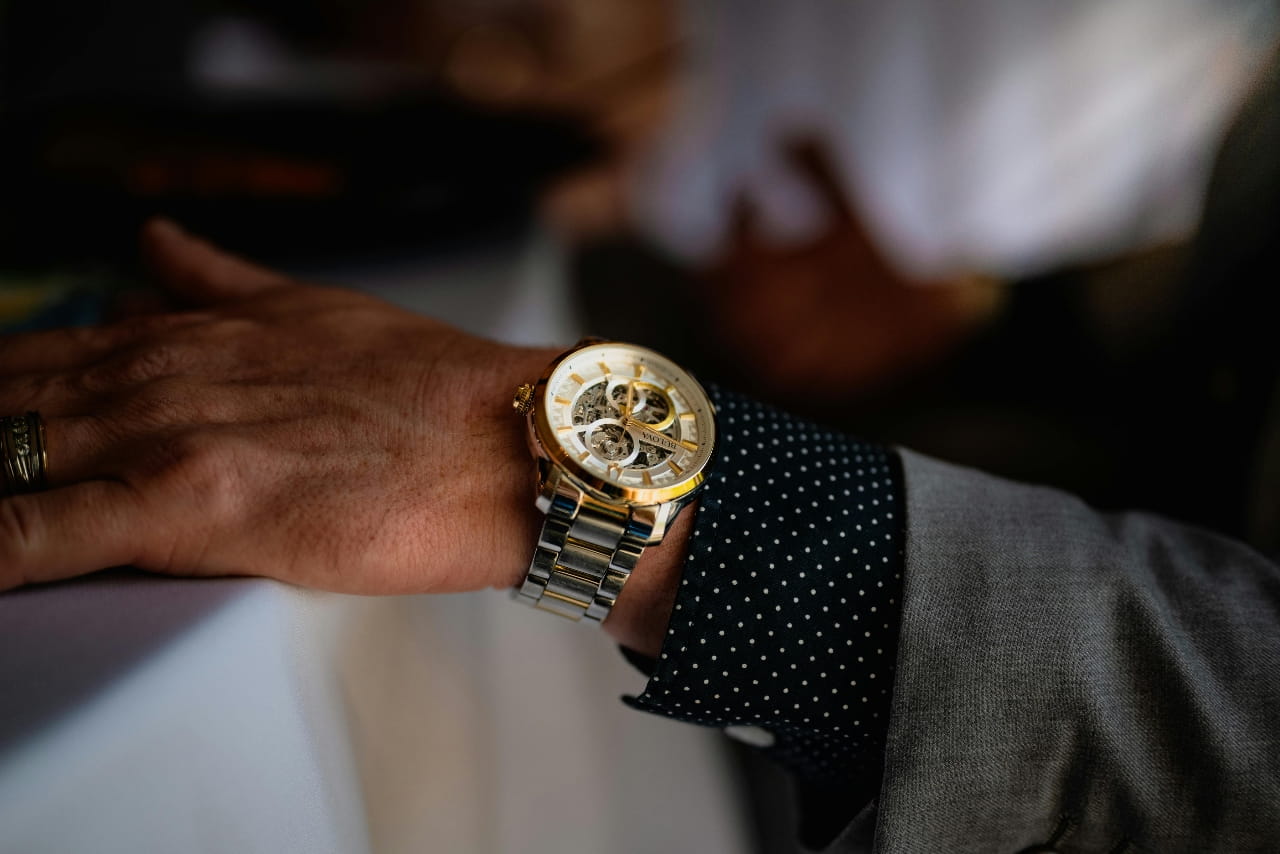
An automatic watch is where engineering meets art — turning the motion of your wrist into a living expression of precision timekeeping. Powered by the natural movement of the wrist, rather than a battery, these remarkable timepieces showcase the artistry and precision that has defined mechanical watches for generations. However, even the most expertly crafted automatic watches can occasionally lose time, leaving owners wondering if something is wrong. In many cases, slight changes in accuracy stem from common and easily addressed causes. Understanding what affects your watch's performance can help you protect your investment and enjoy reliable timekeeping for years to come. At Albert's Diamond Jewelers, we have helped Northwest Indiana residents care for treasured timepieces. If your automatic watch isn't keeping accurate time, these are the common causes and their solutions.
You Aren't Wearing the Watch Often Enough
Unlike quartz watches that rely on batteries, automatic watches are powered by a mainspring that winds through the motion of your wrist. If your watch has been sitting in a drawer for several days or isn't worn consistently, it may not develop enough power reserve to operate accurately.
The Fix: Wear your automatic watch regularly, ideally for several hours each day. If you rotate between multiple watches, consider manually winding the watch according to the manufacturer's instructions before wearing it again to restore optimal performance. For avid collectors, a watch winder may also help keep frequently worn pieces running smoothly.
The Watch Needs Routine Maintenance
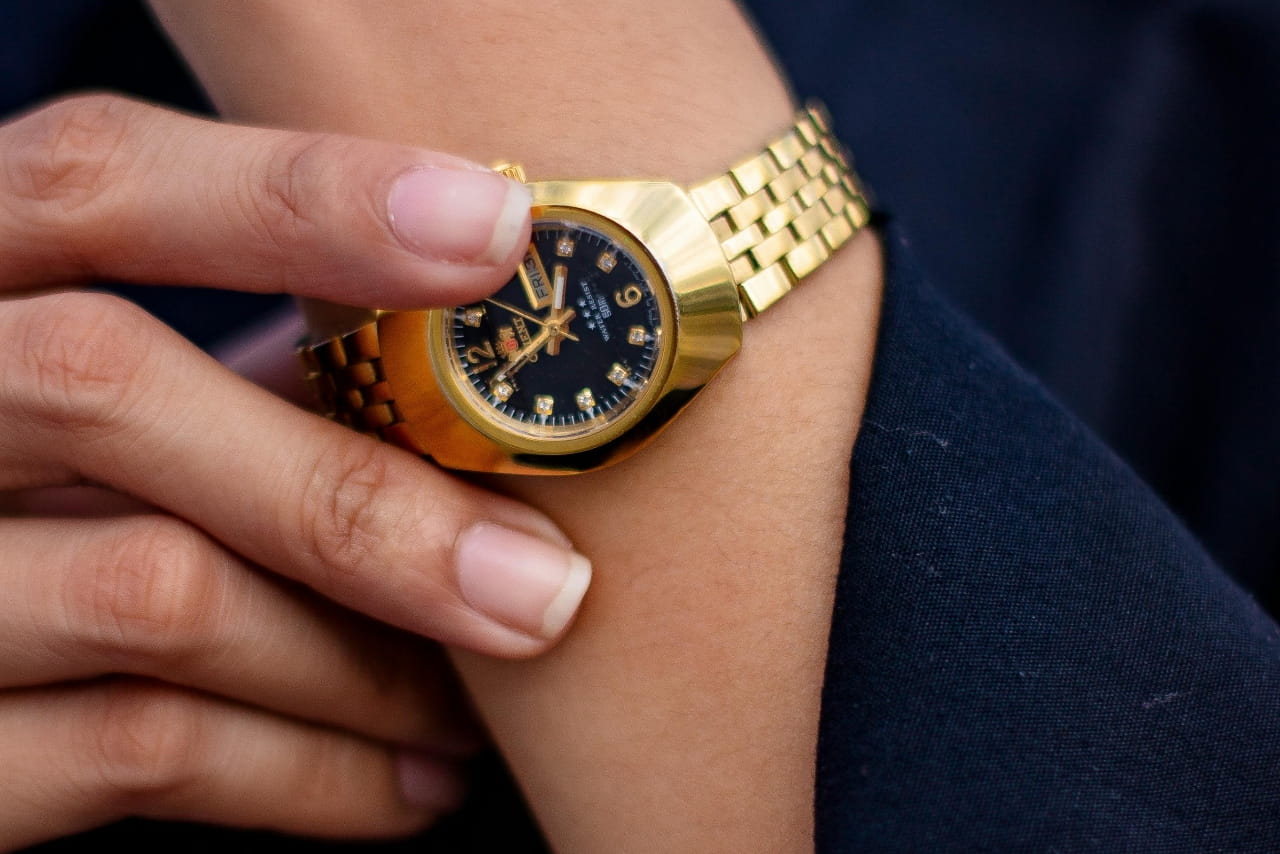
Inside every automatic watch are numerous tiny mechanical components working together with incredible precision. Over time, lubricants can dry out, and normal wear may affect how efficiently these intricate parts operate. Without regular maintenance, their accuracy can slowly decline.
The Fix: Schedule regular servicing according to the manufacturer's recommendations to ensure your watch remains in optimal condition. We recommend professional maintenance every three to five years, depending on the model and how often it is worn. Preventive maintenance is the great way to extend the life and precision of your timepiece.
Magnetism Is Affecting the Movement
Modern life places us in constant contact with electronic devices. Smartphones, tablets, laptops, speakers, and some household appliances can generate magnetic fields strong enough to interfere with an automatic watch's delicate internal components. Due to prolonged exposure, when a watch becomes magnetized, it may begin losing or gaining time unexpectedly.
The Fix: Keep your watch away from electronics that generate significant magnetic fields whenever possible. If you suspect magnetism is causing the issue, a professional jeweler or watch technician can safely demagnetize the movement and restore proper function.

A Hard Impact Has Disrupted Internal Components
Although automatic watches are designed for prolonged wear, they are still delicate mechanical instruments. Dropping your watch onto a hard surface or a significant bump during physical activity can disturb internal parts responsible for regulating time. If your watch begins losing time shortly after being bumped or dropped, it's worth having it inspected.
The Fix: We strongly recommend avoiding attempting to open or repair the watch yourself. Instead, have it evaluated by an experienced professional who can inspect the movement and identify any components that may need adjustment, repair, or replacement to restore accurate timekeeping.
The Watch Requires Proper Regulation
Even well-maintained automatic watches can gradually drift outside their specified accuracy range. Minor variations in timekeeping are normal, but larger deviations may indicate that the watch needs regulation.
The Fix: Regulation involves making precise adjustments to improve the movement's timing performance. Consult a trusted and trained jewelry and watch repair specialist who can evaluate your watch and regulate the movement to improve accuracy based on the manufacturer's specifications. This fine-tuning process helps your watch perform as intended while preserving its mechanical integrity.
Environmental Conditions Can Play a Role
Extreme temperatures, excessive moisture, and exposure to conditions beyond a watch's rated resistance may influence its performance over time. Temperature fluctuations may affect lubricants within the movement, while moisture intrusion can cause damage to delicate internal components.
The Fix: Follow the care guidelines recommended for your specific watch model and avoid exposing it to conditions outside its intended use. If you notice condensation beneath the crystal or suspect moisture exposure, seek professional assistance promptly to minimize the risk of long-term damage.
Maintain Your Automatic Watch Collection at Albert's Diamond Jewelers
Whether you've recently invested in your first automatic timepiece or have built a cherished collection over the years, proper maintenance is essential for preserving both performance and longevity. At Albert's Diamond Jewelers in Schererville, Indiana, our knowledgeable team is here to help you care for the watches that matter most. Visit our homepage to discover everything our jewelry store has to offer, explore our jewelry and watch repair services for professional maintenance and expert attention, or fine jewelry to find your next treasured piece. If you'd like personalized assistance, you can request an appointment with our team or contact us with any questions about your watch care needs. A well-maintained automatic watch is built to be enjoyed for generations. With the right care and support from trusted professionals you can keep your favorite timepieces running smoothly for years to come.

 Call
Call Email
Email Directions
 Appointment